
 Español
 English
 Nederlands
 Français
 Deutsch
 Dansk
 Norsk bokmål
 Polski
 Svenska
 Русский
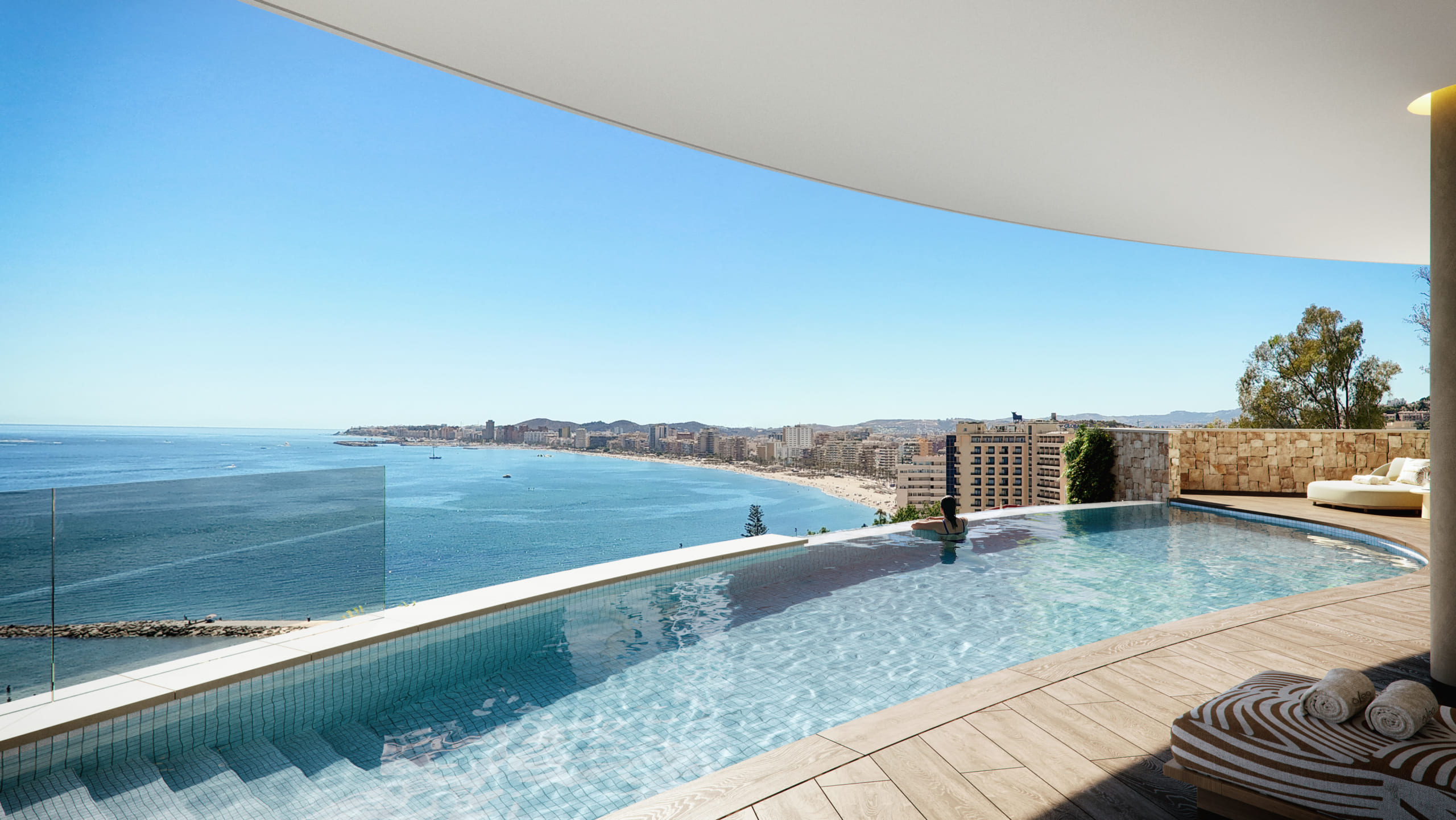
Selling a property in the Spanish real estate market takes far more than putting a sign on the front of the house or posting photos taken on your phone to a listings portal. In a competitive market, selling successfully and getting the best possible return requires a precise strategy—one that maximises the value of your home, ensures full legal certainty and speeds up the time to completion.
Below, we break down the key strategic, legal, tax and marketing factors that make the difference between a property that sits on the market for months and a fast, secure sale at the optimal market price.
1. The Exclusive Listing Strategy: Why It Speeds Up the Sale and Protects Your Home's Value
One of the most common and damaging mistakes homeowners make is entrusting the marketing of their property to several estate agencies at the same time. There is a widespread misconception that the more agencies involved, the faster the sale will be. In practice, however, the opposite happens: the property becomes "overexposed" and goes stale on the market.
The Risk of Uncoordinated Multiple Listings
When a property is advertised through six or seven different agencies:
- It creates distrust and confusion: Buyers come across the same property listed with conflicting descriptions and even different prices. This makes the seller look desperate and undermines the credibility of the property.
- It weakens your negotiating position: Agencies compete with each other to win the buyer instead of defending the property's true value, which ultimately leads to pressure to lower the price.
- Lack of advertising investment: No agency will commit a significant budget to marketing or online visibility without the guarantee of an exclusive mandate.
The Benefits of an Exclusive Listing Agreement (Typically for 6 Months)
Signing an exclusive agreement with a specialist agency doesn't limit your chances of selling. On the contrary, it centralises the process so that far more resources can be dedicated to your property:
- Maximum marketing investment: The agency invests its own funds in professional photography, social media campaigns and premium placement on leading property portals, both in Spain and internationally.
- Protecting your asking price: You'll have a single point of contact who looks after your financial interests at all times, screening buyers and identifying only those with genuine financial capacity.
- Full control over exposure: We keep the property's image, message and market value consistent across every channel.
2. Setting the Price: Comparative Market Analysis (CMA) vs. Emotional Value
It's only natural to feel emotionally attached to the family home, or to a place where so many memories have been made. However, buyers don't pay for emotions — they pay for real, comparable market value.
Setting an asking price above what the market will bear is one of the main reasons a property sits unsold for months, or even years. When a home stays on the market for too long, buyers assume "something must be wrong" with it and start making aggressive lowball offers.
How We Carry Out a Professional Comparative Market Analysis
To set the optimal price from day one, we carry out a rigorous analysis based on objective data:
- Recently sold properties: Actual sale prices of comparable properties in the same area (not just asking prices).
- Direct competition: Analysis of properties currently for sale and their average time on the market.
- Distinguishing features: Orientation, condition, renovations carried out, natural light and local amenities.
Golden rule: A property attracts the most interest during its first two months on the market. Launching at the right price from day one is the deciding factor in closing the sale as quickly as possible without sacrificing your return.
3.Visual Property Marketing: Home Staging and Professional Photography
In today's digital world, the first viewing of your home doesn't happen in person — it happens on a computer or smartphone screen. Buyers rule out dozens of options in a matter of seconds if the images don't convey order, space and quality.
The Real Impact of Home Staging
Home staging is a set of property presentation techniques designed to depersonalise a home and highlight its architectural and functional potential.
- Speeds up the sale: Staged properties sell up to 50% faster than the market average.
- Reduces downward negotiation: Neutral, bright and well-styled spaces make buyers see the property as ready to move into, which leaves them fewer arguments for asking for a price reduction.
- Strategic depersonalisation: Removing family photos, clearing worktops and rearranging the furniture helps potential buyers picture themselves living in the space from the very first moment.
High-Impact Photography and Visuals
To stand out on the leading property portals, the presentation should include:
- Professional photo shoots with carefully controlled lighting and wide-angle lenses.
- High-quality video tours to attract international buyers.
- Dimensioned floor plans so buyers can understand the actual layout of the space.
4. Legal Certainty and Essential Document Review
Before putting a property on the market, all of its technical and legal documentation must be checked. A paperwork issue that comes to light in the middle of negotiations can derail the sale or delay completion for months.
Essential Document Checklist for Selling Your Home in Spain:
- Nota Simple from the Land Registry: This is the official document showing who the registered owner of the property is and whether it is free of charges, mortgages, easements or outstanding seizures. It should be requested before the property goes on the market.
- Energy Performance Certificate (EPC): A legal requirement for advertising and marketing any property for sale in Spain. It assesses the home's energy consumption and CO₂ emissions
- Title deeds (Escritura): The public deed proving how the property was acquired (purchase, inheritance, gift, etc.).
- Latest utility bills and tax receipts: Copies of the most recent paid IBI (local property tax) receipts, plus a certificate from the community of owners' administrator confirming that the property is up to date with its community fees.
- Certificate of Occupancy (Cédula de Habitabilidad or Licencia de Primera Ocupación): Depending on the region, this document certifies that the property meets the minimum requirements to be lived in.
5.Taxes and Costs When Selling a Property in Spain
Knowing exactly how much you'll walk away with after the sale is crucial for planning your next investment or the purchase of a new home. When selling a property in Spain, there are three main costs and taxes you need to plan for:
1. IRPF (Spanish Personal Income Tax) – Capital Gains
Tax is paid on the difference between the acquisition value (purchase price plus associated costs and improvements) and the transfer value (sale price minus the costs of selling).
- Tax exemptions: If the property you're selling is your main residence and you reinvest the proceeds in buying another main residence, you may qualify for the reinvestment exemption. In addition, sellers over 65 are exempt from capital gains tax on the sale of their main residence.
2. Plusvalía Municipal (Municipal Capital Gains Tax – IIVTNU)
This is the tax on the increase in value of urban land. It is charged by the town hall where the property is located and is levied on the increase in the land's value during the years you have owned it. If you can show that you sold at a loss compared with what you paid, you can apply for an exemption from this tax.
3. Mortgage Cancellation Costs and Fees
If the property still has an outstanding mortgage, you'll need to budget for the administrative and Land Registry costs of cancelling it, so the home can be handed over to the new buyer completely free of charges.
6. The Sales Process in Spain, Step by Step
To keep the experience smooth and stress-free, the sales process can be broken down into the following stages:
1. Estudio de Mercado y Análisis Legal de la Nota Simple
                        ↓
2. Preparación: Home Staging y Reportaje Fotográfico
                        ↓
3. Comercialización y Publicación en Portales de Referencia
                        ↓
4. Filtrado de Compradores, Visitas y Negociación de Ofertas
                        ↓
5. Firma del Contrato de Reserva y Contrato de Arras
                        ↓
6. Escritura Pública en Notaría y Entrega de Llaves
- Deposit contract (Contrato de Arras – confirmatory or penitential): This is the private agreement in which the buyer and seller set the final price, the terms of the sale and the timeframe for signing before a notary, and the buyer pays a deposit (usually 10% of the total price).
- Signing the Title Deed of Sale before a Notary (Escritura Pública de Compraventa): This is the final stage. The notary checks that the transaction is lawful, any outstanding charges are settled, the remaining balance is paid by banker's draft, and the keys are handed over.
Sell Your Property with Complete Peace of Mind and Full Guarantees
Selling a home in Spain doesn't have to be complicated or stressful. Having an expert team that handles the market analysis, prepares your property to a high standard, ensures full legal certainty and applies a sales strategy tailored to both Spanish and international buyers is the key to a fast and profitable sale.
Want to know what your property is really worth on today's market?
Get in touch with our team and request a free, no-obligation personalised market analysis. We take care of the entire process, so all you have to do is make the right decisions.
Join The Discussion